


How to choose a commercial coffee machine for your business
The best commercial coffee machine is the one that matches how much coffee you serve, who makes it, and the range of drinks you want. Bean-to-cup suits easy self-service, a traditional espresso machine gives you barista quality, and a filter or bulk brewer handles high volumes of black coffee. This guide walks through the main types, the factors that matter, and how to match a machine to your business, so you can choose with confidence rather than guesswork.
The main types of commercial coffee machine
There are four types you are likely to weigh up, each with a clear place.
Traditional espresso machines
A traditional espresso machine is what baristas use in a good coffee shop. Water is forced through freshly ground coffee under pressure, and a steam wand froths milk for flat whites, lattes and cappuccinos. It gives the highest quality and the most control, but it needs a trained operator to get the best from it. It suits cafes, restaurants and businesses where coffee is part of the draw and someone is on hand to make it well.
Bean-to-cup machines
A bean-to-cup machine is fully automatic. It grinds beans on demand and makes a range of drinks at the touch of a button, with no barista needed. Quality is close to a trained hand on the better models, and consistency is high because the machine does the work. It suits offices, self-service settings and busy businesses that want good coffee without training staff on a manual machine.
Filter and bulk brew machines
A filter or bulk brew machine makes large volumes of black coffee and holds it ready to serve. It is simple to run and low cost per cup, though it cannot make milk-based drinks. It suits breakfast service, buffets, conferences and any setting where you need to serve a lot of coffee quickly.
Instant and pod machines
Instant and pod machines make simpler drinks quickly with very little upkeep. Quality is lower than the other types, but cost and effort are low too. They suit small teams and low-demand settings where speed and simplicity matter more than a specialist cup.
How to choose: the factors that matter
Once you know the types, a handful of practical factors will point you to the right one.
Volume is the first. Work out how many cups you need at your busiest, not just across the day. A machine that copes with the peak copes with everything else. Who operates it comes next. If you have trained staff, a traditional machine rewards them. If it is self-service, or staff turnover is high, an automatic machine is the safer choice.
Drink range matters if you want more than black coffee. Espresso and bean-to-cup machines make the full menu of milk-based drinks, while filter machines are for volume rather than variety. Footprint and water are easy to overlook. Check the space you have and the plumbing, and remember that in a hard water area a good water filter protects both taste and the machine.
Maintenance is the last factor, and the one that catches people out. Every commercial machine needs regular cleaning, descaling and servicing to keep working and keep tasting right. Factoring that in from the start saves trouble later.
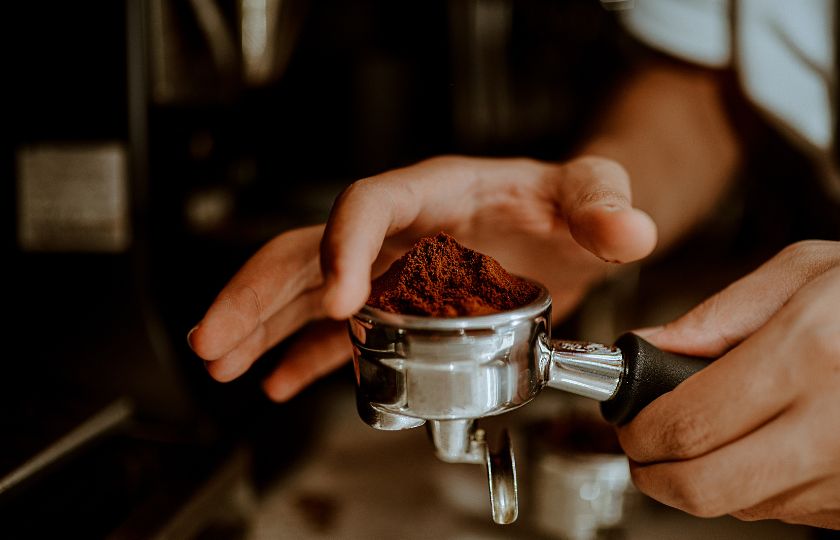
How to choose: the factors that matter
Once you know the types, a handful of practical factors will point you to the right one.
Volume is the first. Work out how many cups you need at your busiest, not just across the day. A machine that copes with the peak copes with everything else. Who operates it comes next. If you have trained staff, a traditional machine rewards them. If it is self-service, or staff turnover is high, an automatic machine is the safer choice.
Drink range matters if you want more than black coffee. Espresso and bean-to-cup machines make the full menu of milk-based drinks, while filter machines are for volume rather than variety. Footprint and water are easy to overlook. Check the space you have and the plumbing, and remember that in a hard water area a good water filter protects both taste and the machine.
Maintenance is the last factor, and the one that catches people out. Every commercial machine needs regular cleaning, descaling and servicing to keep working and keep tasting right. Factoring that in from the start saves trouble later.
Match the machine to your business
The table below lines the types up against common settings.
| Business | Usually the best fit | Why |
|---|---|---|
| Cafe | Traditional espresso | Coffee is a core part of the offering, with trained staff available to operate the machine. |
| Restaurant | Bean-to-cup or espresso | Delivers quality coffee after meals while handling busy service periods. |
| Office | Bean-to-cup | Fully automatic, self-service coffee with no barista required. |
| Hotel | Bean-to-cup plus filter | Ideal for guest rooms, breakfast service and varying demand throughout the day. |
| High-volume or events | Filter or bulk brew | Brews large quantities of coffee quickly for fast, efficient service. |
Treat it as a starting point rather than a rule. A small cafe with a self-service counter might lean towards bean-to-cup, while a large office with a staffed cafe area might add a traditional machine. The right answer follows your volume and how you want to serve.
The features that make a difference
Within each type, a few features separate a machine that just about copes from one that serves well all day.
The grinder matters most on bean-to-cup and espresso machines, because fresh grinding is what gives coffee its aroma and body. A good grinder, kept clean, does more for the cup than almost anything else.
The milk system decides how easily you make lattes and cappuccinos. Automatic milk systems suit self-service, while a traditional steam wand gives a trained hand more control. If most of your drinks are milk-based, this is worth getting right.
Water filtration protects both the taste and the machine. In a hard water area, limescale builds up fast and shortens the life of a machine, so a built-in or plumbed filter is a sensible investment rather than an extra.
Throughput and recovery time tell you whether a machine keeps pace at the peak. A machine that makes one good cup slowly is no use to a queue, so look at how quickly it recovers between drinks, not just the headline capacity.
Questions to ask before you commit
A short checklist keeps the decision honest. Ask how many cups the machine makes at its busiest, not just per day. Ask who will operate it and whether they need training. Ask what servicing and cleaning it needs, and who does it. Ask about the water in your area and whether filtration is included. And ask how you pay, and whether servicing and breakdown cover come with it or cost extra. The answers will usually point clearly to one type and one way of paying.
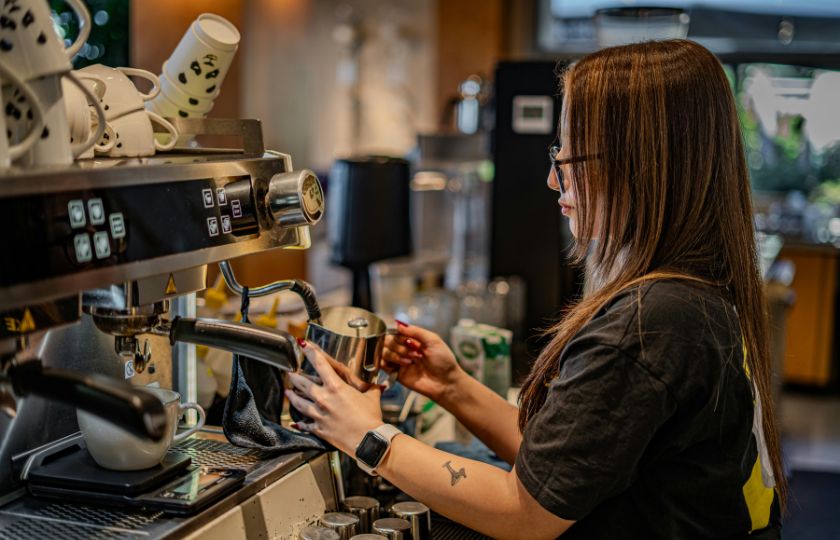
Questions to ask before you commit
A short checklist keeps the decision honest. Ask how many cups the machine makes at its busiest, not just per day. Ask who will operate it and whether they need training. Ask what servicing and cleaning it needs, and who does it. Ask about the water in your area and whether filtration is included. And ask how you pay, and whether servicing and breakdown cover come with it or cost extra. The answers will usually point clearly to one type and one way of paying.
Matching your spend to the right machine
Getting the machine in is only half the job. How it runs day to day decides whether people actually use it and whether it keeps working, so a few practical points are worth thinking through before you choose.
Installation and space come first. Most office machines need a nearby power supply and, for the better bean-to-cup and traditional models, a mains water connection and drainage rather than a fill-and-empty tank. Check the spot you have in mind has both, and enough room to open the machine for refilling and cleaning.
Consumables are the running cost people forget. Beans, milk or milk powder, cups and cleaning products are yours to buy, and the type of machine sets how much you get through. Bean-to-cup machines use fresh beans and either fresh or powdered milk, while pod machines tie you to particular capsules.
Cleaning and upkeep keep the coffee drinkable and the machine reliable. Automatic machines with self-cleaning and descaling cycles take most of that burden off staff, which matters in a self-service setting where no one owns the task. On a Rental+ plan the servicing side is covered, so scheduled maintenance and any repairs are handled for you rather than added to someone’s list.
Think too about who tops it up and who people ask when something is not working. A machine that is easy to refill and simple to operate will get used, while a fiddly one tends to sit idle. Matching the machine to how hands-on your team wants to be is as important as the coffee it makes.
Buy, lease or rent your coffee machine?
A commercial coffee machine is a real investment, so how you pay for it matters. Buying ties up capital and leaves servicing and repairs to you. Renting spreads the cost into a fixed regular payment, includes the maintenance, and lets you change the machine as your needs change. With Rental+, every plan includes inclusive service and maintenance, a fix-or-replace guarantee and a nationwide engineer network, with no upfront capital outlay. We cover the trade-offs in full in our guide to renting vs buying commercial kitchen equipment, and if you are equipping a workplace specifically, see our office coffee machine rental guide.
Keeping your machine running
Whatever you choose, a coffee machine only stays good if it is looked after. Regular cleaning and descaling keep the taste right, and routine servicing keeps the machine reliable. When you rent from Rental+, that upkeep is built in: servicing, parts and breakdown cover are part of the plan, so a fault does not become a bill or a day without coffee. You can see how the service side works on our inclusive maintenance page, and browse machines on our commercial espresso machines and bean-to-cup coffee machines pages.
Frequently Asked Questions
Ready to choose your machine?
Tell us how you serve coffee and we will recommend the right machine and a plan. Request a quote for a tailored figure, build a quote in the basket for an indicative cost with no payment taken, or request a brochure to share with your team.