


How to choose a commercial ice machine: types, output and which suits your business
Choose a commercial ice machine by three things: the type of ice you need, how much you get through on a busy day, and whether you have room for a self-contained unit or need a modular one. A cuber suits most bars and drinks service, a flaker suits displays and food, and getting the daily output right stops you running dry at the worst moment. This guide covers the ice types, a simple way to size a machine, the formats available, and why servicing matters.
Types of commercial ice and what they’re for
The type of ice shapes the machine you need, so it is the right place to start.
| Ice type | Looks like | Best for |
|---|---|---|
| Cube (full or half) | Solid, slow-melting cubes | Drinks and bars, all-round use |
| Flake | Soft, mouldable flakes | Fish and food displays, food prep |
| Nugget or chewable | Soft, chewable pellets | Soft drinks, healthcare, chewable-ice fans |
| Gourmet | Clear, slow-melting shapes | Premium bars and cocktails |
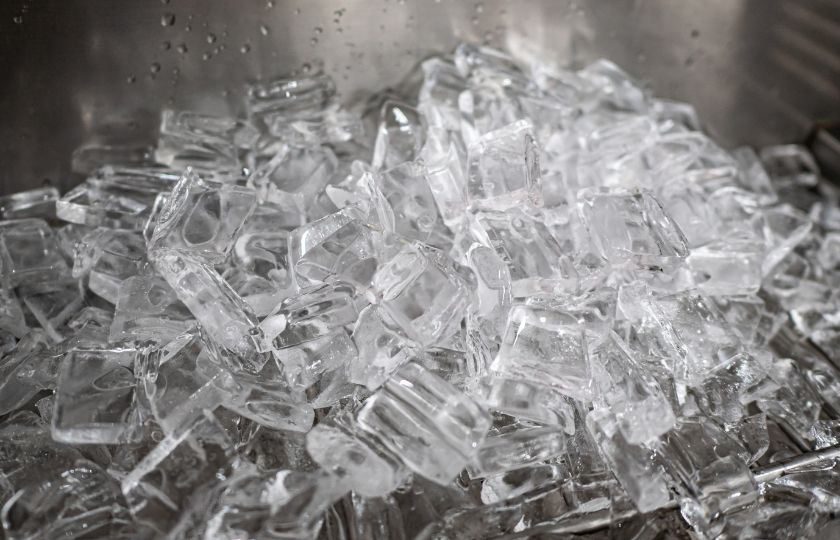
Most businesses serving drinks want a cube machine, because cubes are slow to melt and suit almost everything behind a bar. Flake ice is the choice where you are dressing a display or keeping food cold, and nugget ice suits soft drinks and settings where people like to chew it. If you are unsure, cube ice is the safe all-rounder.
What size ice machine do you need?
Sizing is where businesses most often get caught out, usually by ordering too small for summer. Work it out in three steps.
1. Estimate your busiest day, not your average one. Think about peak covers, drinks per cover and the warmest weather you trade in.
2. Match the machine’s daily production to that peak, with headroom. Ice demand climbs sharply in hot weather, so a machine that only just covers a normal day will fall short in a heatwave.
3. Check the storage bin, not just the production rate. A machine makes ice over the day, but the bin has to hold enough to cover your busiest service without running out.
Getting all three right means the machine keeps up when you are busiest, which is exactly when running out hurts.
What size ice machine do you need?
Sizing is where businesses most often get caught out, usually by ordering too small for summer. Work it out in three steps.
1. Estimate your busiest day, not your average one. Think about peak covers, drinks per cover and the warmest weather you trade in.
2. Match the machine’s daily production to that peak, with headroom. Ice demand climbs sharply in hot weather, so a machine that only just covers a normal day will fall short in a heatwave.
3. Check the storage bin, not just the production rate. A machine makes ice over the day, but the bin has to hold enough to cover your busiest service without running out.
Getting all three right means the machine keeps up when you are busiest, which is exactly when running out hurts.
Self-contained, modular or water-cooled?
Ice machines come in a few formats, and the right one depends on your space and volume.
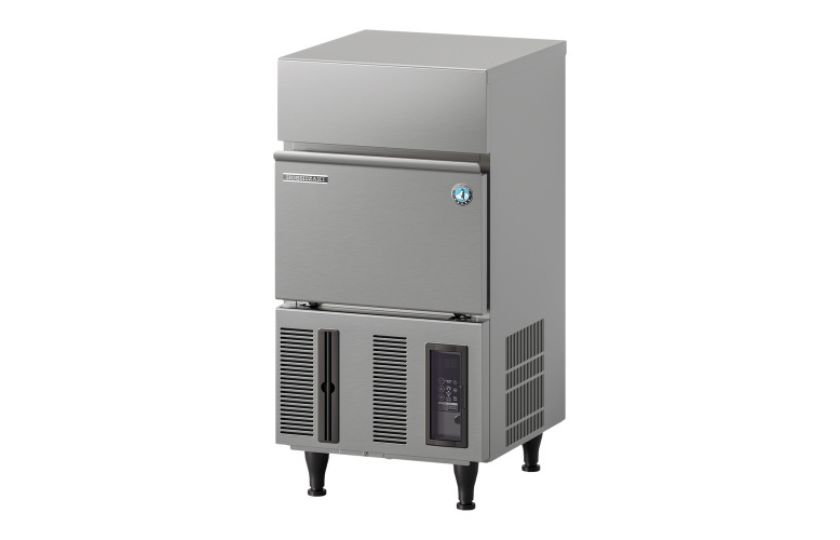
A self-contained machine has the ice maker and storage bin in one unit, which suits smaller sites and undercounter spaces. A modular machine has a separate ice head that sits on top of a large storage bin or dispenser, which suits higher volumes. Most machines are air-cooled, which is fine in a well-ventilated space, while water-cooled models suit hot or tight spots where air cooling struggles. Check the footprint, the ventilation and the plumbing and drainage before you decide, because those practical points often settle the choice.
Maintenance, hygiene and scale
An ice machine makes food, so it needs regular cleaning and servicing to stay hygienic and to keep producing. Limescale is the main enemy, especially in hard water areas, where it slows production and shortens the life of the machine if it is left unchecked. Regular descaling and servicing keep output up and the ice clean. When you rent from Rental+, that upkeep is built in: servicing, parts and breakdown cover are part of the plan, so a fault does not become a bill or a service without ice. You can see how the service works on our inclusive maintenance page.
Maintenance, hygiene and scale
An ice machine makes food, so it needs regular cleaning and servicing to stay hygienic and to keep producing. Limescale is the main enemy, especially in hard water areas, where it slows production and shortens the life of the machine if it is left unchecked. Regular descaling and servicing keep output up and the ice clean. When you rent from Rental+, that upkeep is built in: servicing, parts and breakdown cover are part of the plan, so a fault does not become a bill or a service without ice. You can see how the service works on our inclusive maintenance page.
Where each type of ice works best
Matching the ice to the setting is worth a moment, because the right type does the job better and often more cheaply. A few common businesses show how the choice plays out.
A bar or pub almost always wants cube ice. Cubes chill drinks fast, melt slowly so they do not water down a measure, and look right in a glass. A cuber sized to your busiest evening is the safe default behind any bar.
A restaurant often needs more than one type. Cube ice covers the bar and soft drinks, while flake ice suits a fish or seafood display and keeps prepped ingredients cold on a counter. If you plate desserts or run a raw bar, flake earns its place.
A cafe or coffee shop leans towards cube or nugget ice for iced coffees, cold brew and soft drinks. Nugget ice, which is soft and chewable, is popular for cold drinks and is gentle on blenders if you make frozen drinks.
Healthcare and care settings often choose nugget or flake ice because it is soft, easy to chew and gentle for residents and patients, which makes it a practical choice beyond hospitality.
The pattern is simple enough: cubes for drinks, flakes for food and displays, nuggets where softness matters. If a site spans more than one of those jobs, it is common to run two machines, or a single larger machine matched to the heaviest use.
Renting a commercial ice machine
Buying an ice machine ties up capital and leaves the servicing and repairs to you. Renting spreads the cost into a fixed regular payment, includes the maintenance, and lets you scale up if your demand grows. With Rental+ there is no upfront capital outlay, servicing is included, and the fix-or-replace guarantee means a machine that cannot be repaired is replaced. Browse the range on our commercial ice machines page, and see the rent-or-buy trade-offs in our guide to renting vs buying commercial kitchen equipment.
Frequently Asked Questions
Ready to find the right ice machine?
Tell us your venue and your busiest service and we will recommend a machine and a plan. Request a quote for a tailored figure, build a quote in the basket for an indicative cost with no payment taken, or request a brochure to share with your team.